

Quick Answers




Why 3d print vs machining?
- June 19, 2025
- Jason Chang
- 9:24 am
When it comes to manufacturing parts and prototypes, two standard methods are often considered: 3D printing and machining. Both processes have their own set of advantages and disadvantages, making it crucial for engineers to select the most suitable method for their specific needs.
3D Printing
3D printing, also known as additive manufacturing, is a process that creates three-dimensional objects by adding material layer by layer.
This method has gained popularity in recent years due to its versatility and ability to create complex geometries with ease.
With advancements in technology, 3D printers are now capable of producing parts from a variety of materials, including plastics, metals, and even ceramics.
Machining
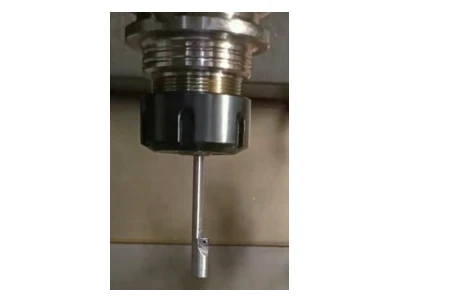
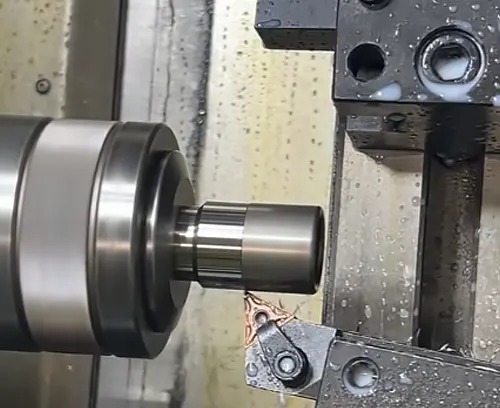
Machining, on the other hand, is a subtractive manufacturing process that involves removing material from a workpiece to create the desired shape.
Standard machining techniques include milling, turning, drilling, and grinding. Machining has been in use for centuries and is a tried-and-true method for producing high-precision parts with tight tolerances.
Accuracy and Precision
When it comes to accuracy and precision, machining is often favored over 3D printing. Machining processes can achieve tolerances as tight as ±0.001 inches, making it ideal for applications that require exact specifications.
On the other hand, 3D printing tends to have slightly lower tolerances, typically ranging from ±0.005 to ±0.010 inches depending on the printer and material used.
Complex Geometries
One area where 3D printing excels is in the creation of complex geometries that would be nearly impossible to achieve with traditional machining methods.
Additive manufacturing allows engineers to design intricate shapes and internal structures without the need for specialized tooling or fixtures. This makes 3D printing ideal for rapid prototyping and customized parts that require unique designs.
Material Selection
Another important factor to consider when choosing between 3D printing and machining is the availability of materials.
While machining can work with a wide range of metals, plastics, and composites, 3D printing offers even greater flexibility with materials such as flexible resins, carbon fiber composites, and even living tissues.
This diversity of materials makes 3D printing a versatile option for a variety of applications.
Cost Considerations
Cost is often a deciding factor when it comes to choosing between 3D printing and machining.
Generally, 3D printing is more cost-effective for low-volume production runs or one-off prototypes, as it eliminates the need for expensive tooling and setup costs.
Machining, on the other hand, may be more economical for large production runs due to faster production speeds and lower material costs in some cases.
Speed of Production
When it comes to speed, machining typically offers faster production times compared to 3D printing.
Machining processes can produce parts in a matter of hours or even minutes, depending on the complexity of the design and the size of the workpiece.
3D printing, on the other hand, is known for its slower production speeds, especially for parts with high levels of detail or large build volumes.
Environmental Impact
Finally, it is important to consider the environmental impact of each manufacturing method.
3D printing generally produces less waste compared to machining, as it only uses the material necessary to create the part. In contrast, machining generates more waste in the form of chips and swarf that must be properly disposed of.
Additionally, 3D printing can be a more energy-efficient process overall, especially when using recycled materials.
Conclusion
In conclusion, both 3D printing and machining have their own strengths and weaknesses, making them suitable for different applications.
While machining excels in accuracy, precision, and speed, 3D printing offers unparalleled design freedom, material flexibility, and cost-effectiveness for small production runs.
Ultimately, the choice between 3D printing and machining will depend on the specific requirements of the project, including budget, timeline, material selection, and design complexity.
By understanding the differences between these two manufacturing methods, engineers can make informed decisions to ensure successful outcomes for their projects.